

Espresso vs South Indian filter coffee
Different dose, grind, extraction and service traditions call for different brewing approaches.
Read note ↓Our Coffee & Tea notes focus on the ingredients, methods and choices that genuinely change what ends up in the cup.
Different dose, grind, extraction and service traditions call for different brewing approaches.
Read note ↓
Minerals influence extraction while hardness can determine scale risk.
Read note ↓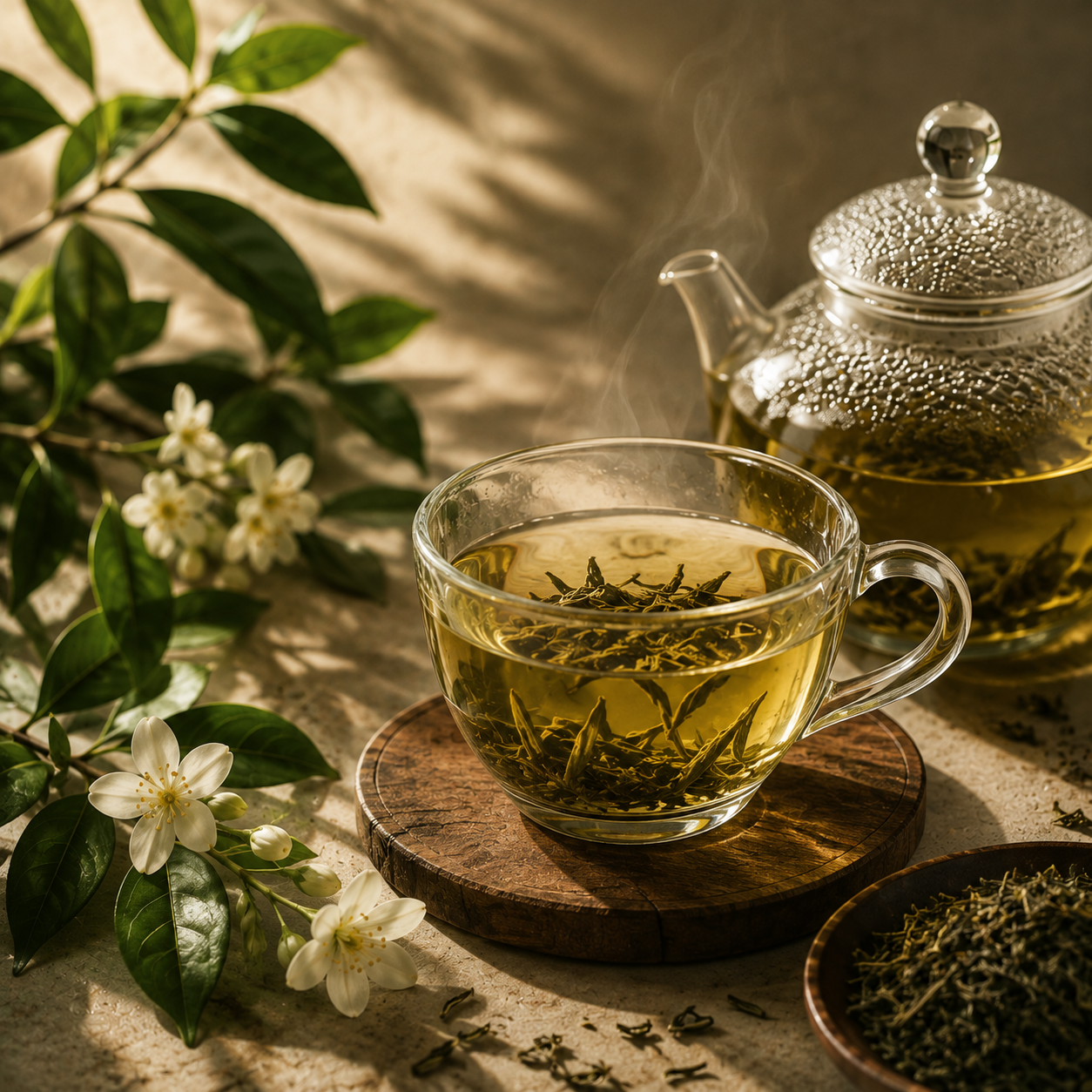
Dose, temperature, water and steep time remain important brewing variables.
Read note ↓Espresso uses finely ground coffee, a compact coffee bed and pressurized water to produce a small, concentrated beverage quickly. South Indian filter coffee traditionally relies on a metal filter where hot water passes through a coffee bed more slowly, often using a coffee-chicory blend and later combining the brewed concentrate with milk.
The practical point is not that one method is “better.” They create different flavour concentration, texture, workflow and equipment needs. That is why we treat espresso as its own brewing tradition rather than trying to make it behave like filter coffee.
Dose consistency, grind adjustment, beverage yield, extraction time, milk texture, water chemistry and consistency from cup to cup matter more to an espresso bar than decorative latte art alone.
A brewed coffee or tea beverage is mostly water. Mineral content can influence extraction, acidity, sweetness and clarity. In a commercial espresso machine, untreated hard water can also contribute to scale, making water treatment both a taste decision and an equipment-protection decision.
Whole-leaf tea can preserve larger leaf structures and support aromatic complexity, but the result still depends on preparation. Too much heat, too much leaf or too long a steep can produce bitterness or astringency; insufficient dose or time can make a tea feel hollow.
In a café, the challenge is turning those variables into a repeatable preparation method that works during both quiet and busy periods.